
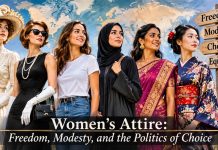



















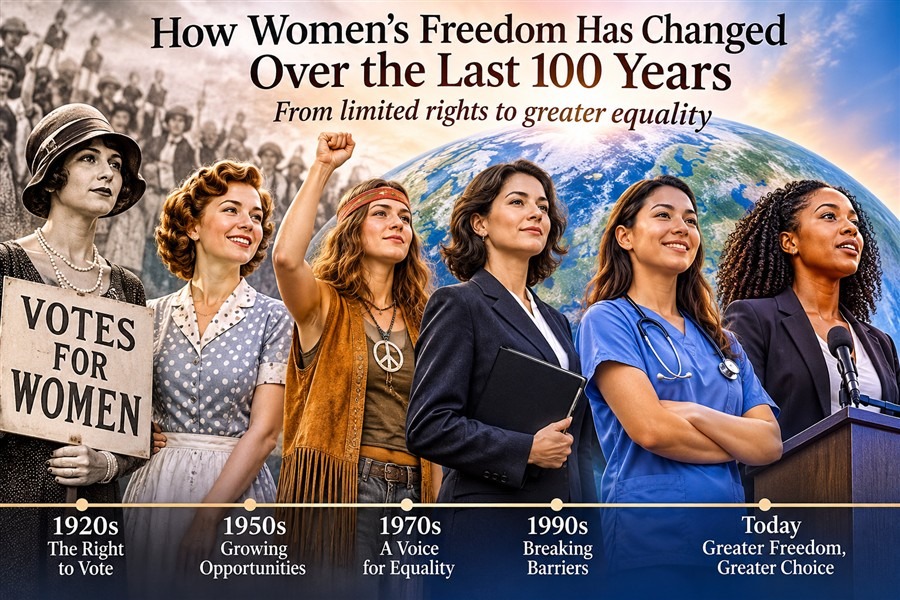
How Women’s Freedom Has Changed Over the Last 100 Years
Bissula | Society, Culture & Global Perspectives
A century ago, a woman’s life was often determined by circumstances she had little power to change. Where she lived, whom she married, whether she could pursue an education, whether she could own property, and even whether she could earn a living were frequently governed by laws and social expectations that placed men in positions of authority.
Today, women in many parts of the world enjoy freedoms that would have been difficult to imagine in 1926. They vote, hold political office, own businesses, pursue professional careers, control property, travel independently, and make decisions about their personal lives. In many countries, women have achieved legal equality with men, at least on paper.
But the story is far from complete. Women’s freedom has advanced considerably over the past 100 years, but it has not advanced equally everywhere, and legal rights do not always translate into freedom in everyday life.
The transformation is one of the most significant social changes of the modern era. It is also a story of resistance, opportunity, cultural change, and continuing disagreement about the role women should play in society.
1926: A World of Limited Choices
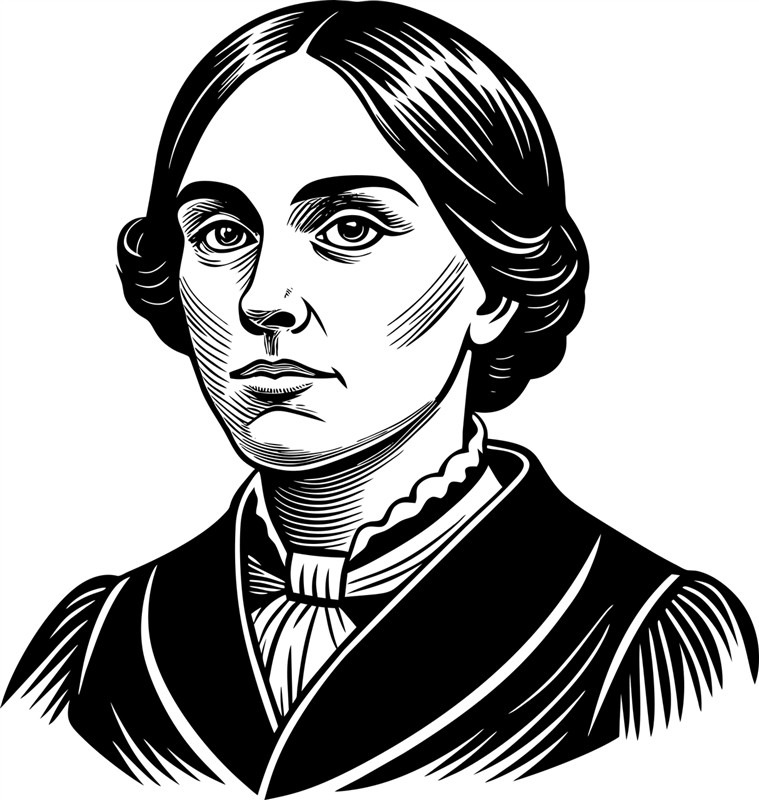
In 1926, the position of women varied considerably from one country to another. Some women were already enjoying rights and opportunities that others would not obtain for decades. Nevertheless, in much of the world, marriage, family responsibilities, and social conventions sharply restricted women’s independence.
In the United States, women had gained the constitutional right to vote only six years earlier, in 1920. Even then, discriminatory state laws and practices continued to prevent many Black women and other minority women from exercising that right.
In Britain, women over the age of 21 had not yet obtained equal voting rights with men. That change would come in 1928.
In many countries, women faced restrictions on property ownership, employment, education, and legal independence. Married women could find themselves subject to laws that gave their husbands considerable control over family finances and important personal decisions.
Education was another dividing line. Girls were increasingly attending schools, but access to universities and professional training remained limited in many societies. Certain professions were considered unsuitable for women, while others were effectively closed to them.
For most women, marriage and motherhood were treated as the expected destination. A woman who wanted a different life often faced considerable social resistance.
This did not mean women lacked ambition, intelligence, or independence. It meant that the institutions surrounding them frequently limited their choices.
The Fight for Political Equality
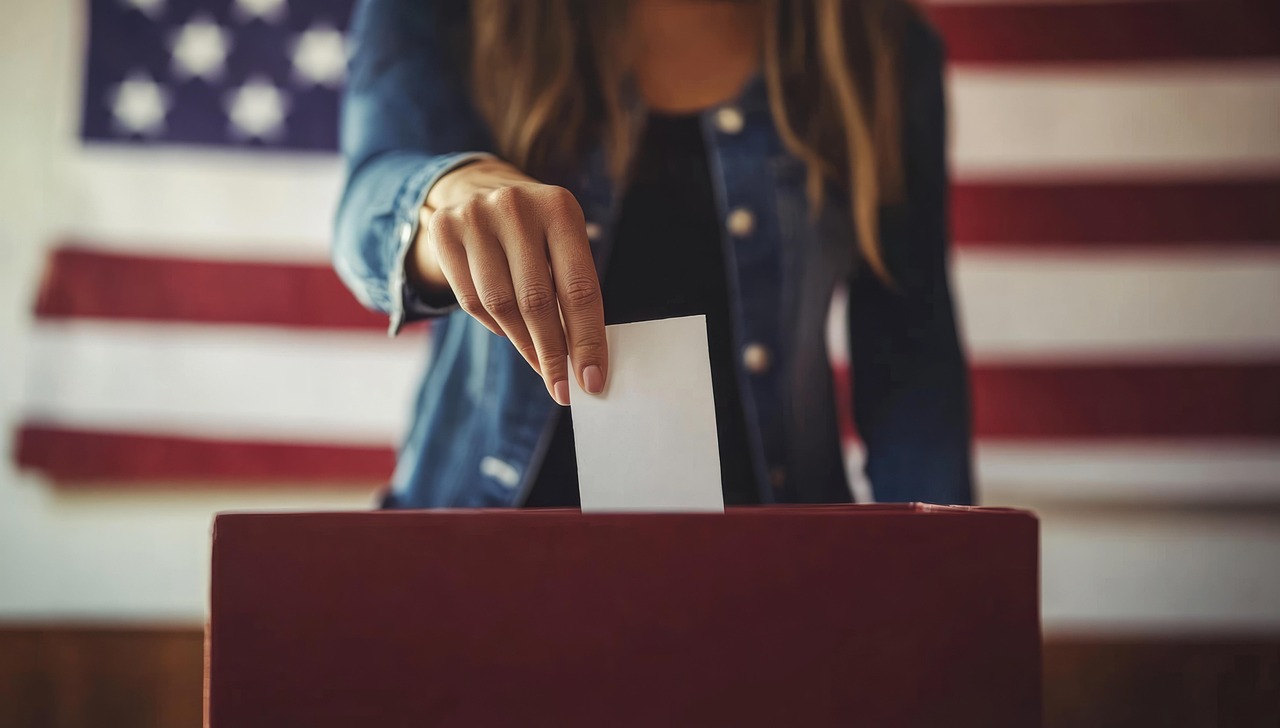
One of the most visible changes of the last century has been women’s participation in political life.
The right to vote became a defining early victory. Women in the United States gained constitutional voting rights in 1920, while British women received equal voting rights in 1928. Other countries followed at different times, through different political struggles.
New Zealand had already granted women the right to vote in parliamentary elections in 1893, making it an early international example. In contrast, some countries did not grant women national voting rights until the second half of the twentieth century.
Saudi Arabia permitted women to vote and stand as candidates in municipal elections for the first time in 2015.
Voting, however, was only the beginning. Women gradually entered parliaments, cabinets, courts, diplomatic services, and other positions of public authority.
Women have served as presidents, prime ministers, judges, military officers, and heads of major corporations. Their presence in these positions would have been unusual in most countries a century ago.
Yet representation remains uneven. In many countries, women continue to encounter cultural, financial, and institutional barriers to political leadership.
The right to participate in government has expanded enormously, but equal influence has not yet been achieved.
Education: One of the Greatest Transformations
<AsyncImage query=”historic girls school classroom 1920s archival photograph” aspectRatio=”16:9″ width=”100%”/>
Perhaps no single development has done more to expand women’s opportunities than education.
In 1926, millions of girls around the world had little or no access to formal schooling. Even where primary education was available, secondary education and university attendance were often limited by family finances, social expectations, or outright discrimination.
Today, girls attend schools and universities in virtually every country. Women study medicine, engineering, law, science, economics, and subjects that were once considered exclusively male territory.
In many countries, women now make up half or more of university students. Female doctors, lawyers, scientists, architects, and business executives are an ordinary part of professional life.
Education has also changed the choices available to women outside the workplace. It has given them greater economic independence, greater knowledge of their legal rights, and more control over decisions affecting their families and futures.
There are still substantial differences between countries and communities. Poverty, conflict, early marriage, discrimination, and cultural restrictions continue to keep millions of girls out of school.
Nevertheless, the expansion of female education stands among the most consequential changes of the past century.
Economic Independence and the Changing Workplace
<AsyncImage query=”women working in industrial factory World War II 1940s historic photograph” aspectRatio=”16:9″ width=”100%”/>
A woman’s ability to earn her own money is central to her independence.
In 1926, many women worked, particularly in agriculture, domestic service, manufacturing, and family businesses. But their employment opportunities were often restricted, their wages were generally lower, and their access to professional advancement was limited.
Marriage could also affect employment. In some countries and workplaces, married women were discouraged or prohibited from continuing in certain jobs.
The Second World War accelerated changes in this area. With millions of men serving in the military, women entered factories, transportation, offices, and other occupations previously dominated by men.
When the war ended, many women were expected to return to traditional domestic roles. But the experience had demonstrated that women could perform a much wider range of work than society had previously acknowledged.
Over subsequent decades, women increasingly entered professional and managerial positions. Laws against employment discrimination, access to higher education, and changing attitudes helped open additional opportunities.
Today, women run companies, operate farms, practice law, lead scientific research, and occupy senior positions in virtually every industry.
However, economic equality remains incomplete. Women continue to experience pay differences, occupational segregation, unequal promotion opportunities, and a disproportionate share of unpaid household and caregiving responsibilities.
Having the right to work does not automatically mean having the same opportunities or financial rewards.
Marriage, Family, and Personal Independence
Perhaps the most profound changes have occurred within the family itself.
A century ago, marriage was widely regarded as a woman’s primary social and economic role. Divorce was difficult to obtain in many countries, and divorced women could face severe social and financial consequences.
In some legal systems, married women had limited control over their own property, earnings, or major household decisions.
Over time, marriage laws changed. Women gained greater rights to own property, control income, seek divorce, retain custody of children, and make independent legal decisions.
Family life also changed. Women increasingly gained the ability to decide whether to marry, when to have children, and whether to pursue careers alongside family responsibilities.
The development of modern contraception gave many women greater control over pregnancy and family planning. This affected education, employment, marriage, and personal relationships.
These changes did not eliminate traditional families or traditional values. Rather, they expanded the range of choices available to women.
Today, a woman may choose to marry and raise a family, remain single, pursue a demanding career, or combine several roles. The important difference is that these choices are more widely recognized as hers to make.
Freedom of Movement and Personal Choice
<AsyncImage query=”women walking independently city street modern international urban life” aspectRatio=”16:9″ width=”100%”/>
Freedom is not limited to voting, employment, and education. It also involves the ordinary decisions that shape daily life.
Can a woman travel alone? Open a bank account? Sign a contract? Rent a home? Obtain a passport? Choose where to live? Decide what to wear?
In many countries, the answers to these questions have changed substantially over the past century.
Women have gained greater legal independence in financial transactions, travel, property ownership, and personal decision-making. In some countries, however, restrictions remain that would seem extraordinary to women living in more liberal societies.
Even where the law permits independence, social pressure can still limit it. Expectations concerning clothing, relationships, family obligations, and public behavior continue to influence women’s lives.
For some women, freedom means the ability to pursue a career without interference. For others, it means the freedom to follow religious traditions, raise children, or maintain a conventional family life without being judged.
The meaning of freedom is not identical for every woman. The ability to make personal decisions is what connects these different perspectives.
The Global Picture: Progress Has Not Been Equal
It would be a mistake to assume that women’s experiences in the United States or Western Europe represent the experiences of women everywhere.
The differences between countries remain enormous.
In some societies, women enjoy extensive legal protections, high levels of education, and broad access to employment and political participation.
In others, women face restrictions on education, employment, travel, marriage, inheritance, and participation in public life.
Conflict and political instability can reverse decades of progress. Economic hardship can force girls out of school and women into dependence on family members. Discriminatory traditions may persist even when national laws formally recognize equal rights.
There are also important differences within individual countries. A wealthy woman living in a major city may have opportunities that are unavailable to a poor woman in a rural community.
Social class, income, geography, disability, and family circumstances all influence how much freedom a woman can exercise.
The global picture is therefore complicated. The last 100 years have brought extraordinary advances, but the benefits have been distributed unevenly.
2026: How Much Has Really Changed?
Looking back from 2026, the contrast with 1926 is striking.
A woman today can become a university president, a military commander, a judge, a head of government, or the chief executive of a major corporation. She can own property, control her earnings, travel internationally, and choose a life that does not revolve around marriage and motherhood.
In many countries, these opportunities are no longer considered unusual.
But there are still serious challenges. Violence against women, human trafficking, forced marriage, unequal economic opportunities, and restrictions on reproductive decisions remain significant problems.
Furthermore, the existence of legal rights does not guarantee that women can exercise them without interference or fear.
The question is no longer simply whether women should have the right to participate in society. In much of the world, that principle has been established in law and accepted in public life.
The harder question is how to make those rights meaningful in practice.
The Next 100 Years
It is difficult to predict what women’s lives will look like in 2126. Technology, education, economic development, and cultural change will undoubtedly shape the answer.
Artificial intelligence and automation may change employment opportunities. Advances in medicine may further alter family planning and reproductive choices. Greater access to education and communication may help women challenge restrictions that have persisted for generations.
But progress is not guaranteed. Rights can be weakened, opportunities can disappear, and social change can encounter powerful resistance.
The history of the last century demonstrates that freedom is not simply something granted once and then permanently secured. It requires laws, institutions, economic opportunity, and the willingness of society to respect individual choice.
A century ago, many women had to fight for rights that are now taken for granted in much of the world.
The women of 2126 may look back at 2026 and wonder why some of today’s restrictions and inequalities were still tolerated.
That may be the clearest measure of progress: not how far women have come, but how many choices the next generation will be free to make.
Freedom is not about requiring every woman to live the same way. It is about giving every woman the opportunity to decide how she wants to live.
NOTES:
As of January 2026, women held 27.5% of national parliamentary seats worldwide.
- UNESCO reports that global gender parity in school enrollment had been achieved from pre-primary through upper-secondary education by 2024, although significant regional disparities remain.Global Education Monitoring Report
- The World Bank’s 2026 assessment finds that women worldwide enjoy less than two-thirds of the legal rights available to men in the areas it measures.
World Bank